

Supporting women with fibroids through information, community, and advocacy
St Michael’s Trust Foundation is a non profit organisation set up to support women with fibroids. We provide clear information on fibroids and treatment options, create a safe space for shared experiences, and campaign for better research, early detection, and improved care.
Evidence informed information
Supportive community and shared experiences
Advocacy for better research and outcomes
Three Pillars of Support
Provide trusted information
We share clear information about what fibroids are and the full range of available treatment options, including possible side effects, so women can make informed decisions on the most suitable and appropriate treatment for them.
Reduce anxiety through community
We offer a supportive platform where women living with fibroids can exchange experiences, discuss concerns, and feel less alone.
Campaign for better research and care
We support and campaign for more research into the understanding of the cause or causes of fibroids, early detection and diagnosis, and better treatments.
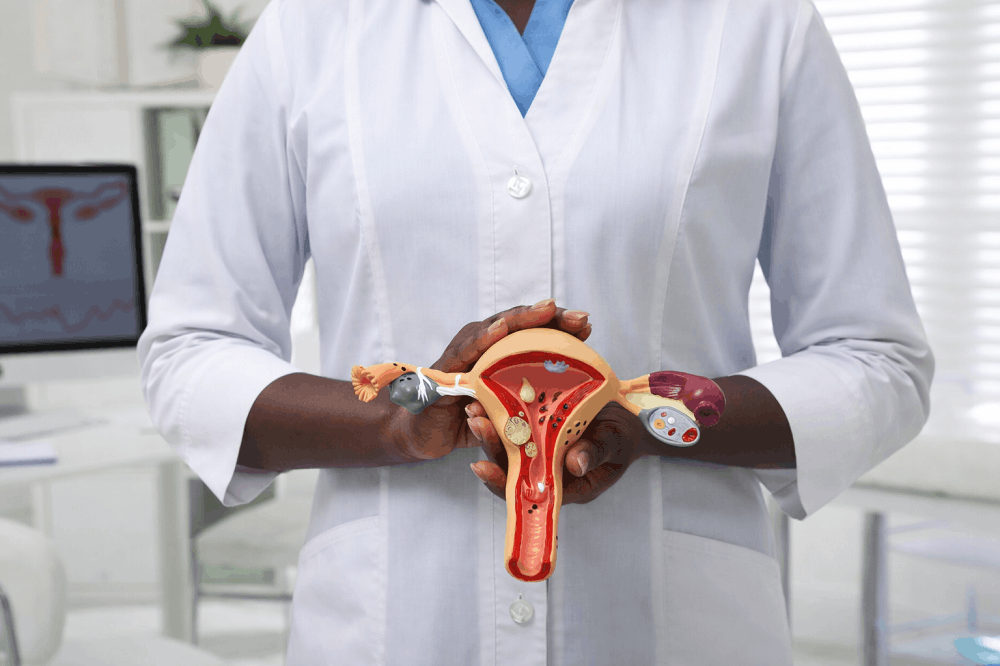
Fibroids 101, the basics
Fibroids are common, non cancerous growths that develop in or around the uterus (womb). They are made of muscle and fibrous tissue, and can vary in size and number. Some women have fibroids and never know it, while others experience symptoms that affect daily life.
Common symptoms
- Heavy or prolonged periods
- Period pain, pelvic pain, or a feeling of pressure
- Passing blood clots
- Bloating or an enlarged abdomen
- Frequent urination or constipation
- Pain during sex
- Difficulty getting pregnant or pregnancy complications (in some cases)
- Tiredness, especially if heavy bleeding leads to anaemia
What causes fibroids
The exact cause is not fully understood. Fibroids are thought to be influenced by hormones (especially oestrogen and progesterone), genetics, and other factors. Research is ongoing to better understand why fibroids develop and why they affect some women more than others.
If you have been diagnosed with fibroids or suspect you may have them, you deserve clarity and support.
Understand your options
There are different approaches to managing fibroids, and the right choice depends on your symptoms, health history, future plans, and medical advice. We summarise options in plain language and highlight key considerations, including possible side effects, to help you feel more prepared when speaking with your healthcare provider.
Treatment Options at a Glance
1. Watchful waiting
What it means: tracking symptoms and monitoring over time
Possible downsides: symptoms may worsen, heavy bleeding may lead to anaemia and fatigue
2. Medicines
What it can help with: reducing heavy bleeding and pain, sometimes temporary shrinkage
Possible side effects: stomach upset, headaches, mood changes, hot flushes, spotting, constipation, depending on the medication
3. Minimally invasive procedures
Examples: UAE (embolisation), HIFU or MRgFUS (focused ultrasound), RFA (ablation), hysteroscopic removal
Possible side effects: cramping, short term fever or nausea, discharge, infection or bleeding (uncommon), repeat treatment may be needed
4. Surgery
Examples: myomectomy (removes fibroids), hysterectomy (removes uterus)
Possible side effects: recovery time, bleeding or infection risk, fibroids may return after myomectomy, hysterectomy ends fertility, menopause symptoms if ovaries are removed.
Changing the future for women
Too many women face delayed diagnosis, limited awareness, and uncertainty about the causes and best treatments for fibroids. We campaign for improved awareness and support more research into causes, early detection and diagnosis, and better treatment outcomes for women.
How you can support this mission
Volunteer
Support our work through volunteering, community moderation, outreach, events, or administrative support.
Partner
We welcome partnerships with healthcare professionals, organisations, and sponsors who share our commitment to women’s wellbeing.
Donate
Help us reach more women with the support they need. Your donation enables St Michael’s Trust Foundation to keep creating awareness, strengthening support networks, and giving women living with fibroids a stronger voice.
Bank: Sterling Bank
Account Name: St Michael’s Trust Foundation
Account Number: 0143572485
Important disclaimer
St Michael’s Trust Foundation is a non profit organisation and we are not medical experts. The information shared on this website and within our community is for general awareness and educational purposes only. We provide information on fibroids and possible treatment options to support informed conversations, but we do not provide medical advice, diagnosis, or treatment. Always seek advice from a qualified healthcare professional regarding your symptoms, diagnosis, and treatment choices.